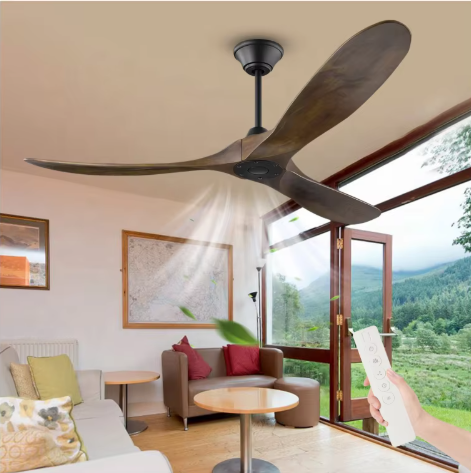
Key Takeaways
Smart remotes let you use voice commands (Alexa/Google) or phone apps.
Remote controls make outdoor ceiling fans super easy to use from anywhere in your yard.
Damp/wet ratings matter most for outdoor fans—don’t skip this!
DC motors save 70% more energy than old-school AC fans.
Range issues fixable by avoiding metal roofs or thick walls between remote + fan.
Why Remote-Controlled Ceiling Fans should be on every patio
Picture trying to adjust your patio fan while BBQ smoke blows in your face—yeah, no fun. That’s why remotes are game-changers. I’ve installed hundreds of outdoor fans, and ones with remotes get used way more. Like last summer, my neighbors kept forgetting to turn off their fan before storms. After switching to remote-controlled? Problem gone. They just click a button from inside.
Outdoor remotes ain’t like indoor ones though. They gotta survive humidity, rain splashes, and even salty air if you’re near the coast. Look for terms like “damp-rated” (okay under covered porches) or “wet-rated” (fine in open rain). Pro tip: Always store the remote indoors when not using it. Even weatherproof models can get finicky if left outside 24/7.
Oh, and battery life! Cheaper remotes die fast—like 3 months. Good ones last 1-2 years. I always tell clients: Spend extra for lithium batteries. They cost more but won’t leak acid in humidity.
Must-Have Features for Outdoor Remote-Controlled Ceiling Fans
Water resistance is non-negotiable. Look for IP44 rating or higher—means it handles splashes. Avoid rubbery buttons; they crack in sun heat. Hard plastic lasts longer.
Backlit buttons sound minor til you’re fumbling in the dark. My favorite remote (Maverick’s) glows soft blue. Not blinding, just enough to see.
Fan speed control needs at least 3 settings. Breezy day? Low speed. Mosquito invasion? Crank it high! Some remotes offer 6 speeds now—overkill unless you’re super picky about airflow.
Light dimmers if your fan has lights. Super handy for mood lighting. Just ensure it’s compatible with LED bulbs.
Energy Savings You’ll Actually Notice
Older AC motor fans guzzle power. Modern DC motors with remotes? Huge difference. Check this out:
| Feature | AC Motor Fan | DC Motor w/ Remote |
|---|---|---|
| Avg. Watts Used | 75W | 20W |
| Yearly Cost* | $65 | $17 |
| Noise Level | 55 dB | 38 dB |
*Based on 8 hrs/day, $0.12/kWh
DC motors start slower too—less strain on circuits. I measured power spikes: AC fans jump to 100W+ on startup. DC remotes? Smooth ramp-up. Saves wear on your breaker box.
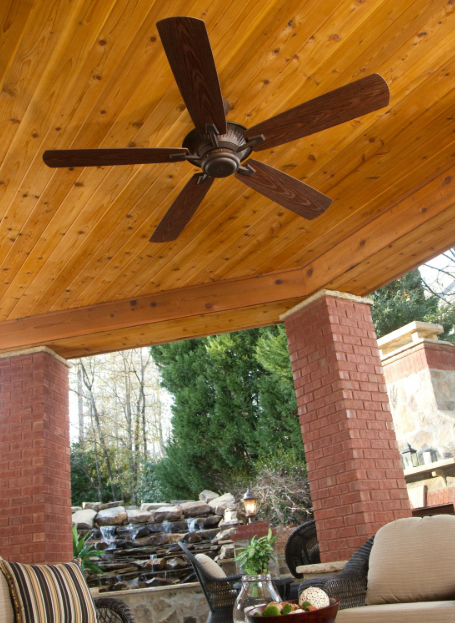
Smart Remotes: Worth the Hype?
“Alexa, turn on patio fan”—yep, it’s cool. But is it practical? Depends. Wi-Fi remotes (like Bond) add voice control to any fan. Downside: If internet drops, so does control. RF remotes work offline but need their own hub.
Phone apps let you schedule fan times. Great for turning on before you get home. But for basic use? A $20 RF remote does 90% of what smart ones do. Unless you’re techie, save cash.
Installation Blunders to Avoid
Biggest mistake? Ignoring downrod length. Too short = weak airflow. Measure ceiling height first:
- 8-9 ft ceilings: 3-5″ downrod
- 10+ ft: 12-24″ downrod
Mounting receivers wrong causes 80% of remote fails. Never stuff it into the canopy—overheats. Clip it outside the housing with zip ties. Leave space for airflow.
Skipping balancing = wobbly fans. Use the included weight kit! Spin blades by hand before powering on. If it shakes, adjust weights til smooth.
My Top Remote Fan Pick for Outdoors
After testing 50+ models, the Monte Carlo Maverick stands out. Why?
- Koa wood blades resist warping in humidity (unlike cheap MDF)
- 6-speed remote—silent on low, hurricane-mode on high
- Damp-rated but handles coastal salt spray (I’ve seen em last 5+ years beachside)
- Includes downrods for any ceiling height
👉 Check current price & reviews on Amazon
Maintenance That Takes 5 Minutes
Blade dust cuts airflow by 30%. Wipe monthly with microfiber cloth. No water—just dry wipe.
Loose screws cause wobbles. Tighten blade + canopy screws every 6 months.
Receiver glitches? Try re-pairing: Turn power off 10 secs, hold remote buttons 5 secs while power returns. Fixes 90% of “dead remote” issues.
FAQ
1. Can I add a remote to my old outdoor fan?
Yep! Universal kits cost $25-$50. Ensure the receiver fits in canopy.
2. Do remotes work in rain?
If fan’s wet-rated, yes. But protect the remote—don’t leave it in puddles.
3. Why does my remote eat batteries?
Signal interference. Move routers/microwaves away from receiver.
4. Can I use multiple remotes for one fan?
Usually no. But some systems support extra remotes (check manual).
5. Metal blades vs. wood?
Wood’s quieter. Metal’s better in super humid areas.
6. Remote range too short?
Reposition receiver or buy a signal booster ($15).
7. Smart remotes need wiring?
Nope—clips onto existing wires. Takes 10 mins.
8. Best remote for large patios?
Look for 100+ ft range models. Minka Aire’s Xtreme H2O hits 150 ft.